
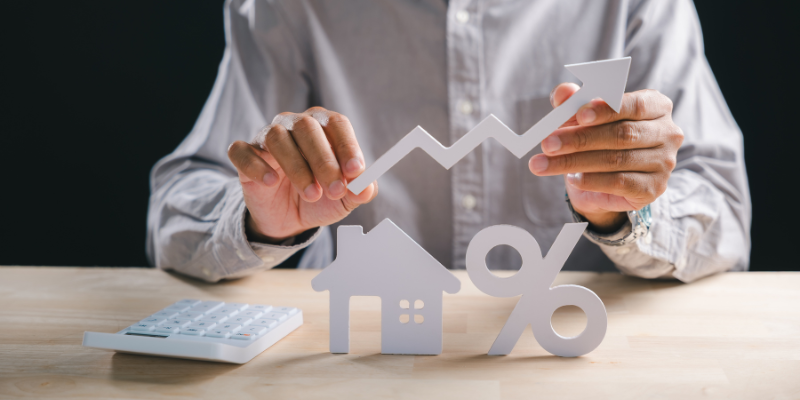
People who want to get the most out of their investments need to know how much commercial real estate is really worth. This guide goes into more detail about how people think about property value and the many different ways they come up with good estimations. It goes over the most significant parts and talks about how market conditions affect prices. This gives clients useful information that can help them make better, more confident decisions in the sometimes difficult world of real estate. This book can help you pick solid assets and keep their worth over time, no matter how much or how little you know about investing in real estate. The idea is to help people make sensible, well-informed choices that will help them make more money over time.
Brief Overview
It’s crucial to know how commercial property is valued if you buy, sell, or invest in real estate. The cost approach, the revenue method, and the sales comparison method are some of the most common ways to find out how much something is worth. These strategies all look at different characteristics of a property, such as where it is, how much money it could produce, and how it compares to other properties for sale. When you utilize them together, they provide you with a better and more complete picture of how much a property is worth.
This guide explains how each method works in the real world and what factors can affect the value of a property. It also makes it evident how crucial it is to keep an eye on the economy as a whole and on the latest news about real estate. When buyers and sellers grasp how these parts fit together, they may be able to better navigate the commercial real estate market. This can help you come up with better ways to set rates, negotiate better, and have better overall results.
Key Highlights
- Where it is located, how big it is, and what it has to offer all have a huge impact on the value of commercial real estate.
- When there aren’t many market comparisons, the cost technique is useful because it looks at how much it costs to create and replace products.
- The sales comparison method looks at properties that are similar to see how much a property is worth based on what is happening in the market right now.
- To find out how much money you could make from properties that make money, you need to know what cap rates are.
- A competent property evaluation helps you prepare, make smarter financial decisions, and negotiate.
How to Find Out the Value of Commercial Property
You need to know how to figure out how much commercial property is worth if you work in real estate, whether you buy, sell, or invest. When you know how to analyze things, deals go more smoothly, and you’re more likely to make smart money choices. If everyone takes the time to think about what makes anything worth it and why valuing something is so crucial in real estate conversations, they will all feel more secure and clear about the deals.
There isn’t just one thing that makes a commercial property worth something. It’s not just one thing; it’s a combination of market trends, physical traits, and the possibility of making money. If you know how these things function together, it’s easy to tell if a property is priced fairly and fits within a long-term investment plan.
Things That Matter When It Comes to the Value of a House
Anyone who wants to buy a business property needs to know what makes it worth what it is. One of the most significant things is where you live. Properties in bustling business areas or places with a lot of economic activity are usually worth more since more people want them. A home is also more desirable if it is close to public transportation, has businesses and services nearby, and is easy to get to by bus or train.
Another important thing is the size of the property, which is normally measured in square feet. In general, bigger rooms can produce more money, especially if they can hold more than one person or be used for more than one type of business. The size of the structure isn’t the only thing that matters; how it is set up and how well it is preserved are just as significant. If a home is tidy and well-designed, people are more likely to want to rent or buy it.
Infrastructure and amenities are also highly significant. Adding things like parking spots, additional buildings, and better infrastructure can make a property more appealing. These things usually assist bring in renters who pay more, which makes the property more profitable.
Another important thing is how the market is doing. How much buyers are willing to spend depends on things like how rapidly the economy is growing, what the interest rates are, and how many jobs are available. For example, if it costs more to borrow money, people might not want to buy as much property. A strong economy, on the other hand, might help property values go up because businesses do well and need more space.
You can also get a better idea of how much your house is worth by looking at other homes that are similar to yours that have sold recently. This method displays how much buyers are willing to pay right now. Zoning rules and plans for future development could also change how a property is used and how much it will be worth in the future. Over time, properties in regions where new buildings are planned tend to become more and more popular.
Why Valuation Is Important in Business Real Estate Deals
Valuation is very important when it comes to business real estate. It helps buyers and sellers discuss the price of a house and find out how much it is actually worth. If you don’t know how much anything is worth, it’s a lot tougher to agree on a price or get a loan.
There are many ways to find out how much a property is worth, depending on what kind of property it is and what information you have. The cost method looks at how much it would cost to rebuild a property, whereas the revenue method looks at how much money it can produce. The sales comparison method looks at current sales to work. You can use all of these methods together to figure out how much something is worth.
If you wish to rent out your home, the revenue technique is quite important. By analyzing a property’s net operating income and predicted cash flow, investors can tell if it will give them a good return. This study also helps sellers since it allows them to set prices that are fair based on how much money the property could make.
The price strategy works well if there aren’t many other properties like it to compare it to. It gives you an approximate sense of how much it’s worth, depending on how well it was manufactured and how much use it has gotten. Lenders also use value studies a lot to decide whether to approve loans and what terms to offer.
When it comes to valuation, it’s not just about the numbers—it’s about creating clarity and confidence. A well-prepared valuation helps individuals plan effectively, build trust with stakeholders, and ensure that every negotiation is transparent and fair. Whether you’re looking to sell your commercial property fast or maximize its long-term potential, an accurate valuation can significantly influence both immediate outcomes and future investment success.
A Look at the Cost Method
One of the easiest ways to figure out how much a company’s property is worth is to use the cost technique. It looks at how much it would cost to replace a building with one that is similar, taking into account how much value it loses with time. This strategy works best when there aren’t a lot of sales that are the same or when you have to deal with unique properties.
The cost approach is a good way to find out how much something is worth by looking at how much it will cost to develop and keep up. It works effectively for buildings that are new or that have a certain purpose.
Finding the right value by figuring out how much it would cost to replace it. “Replacement cost” is the amount of money it would take to develop a new building that works the same way as the one that has to be replaced. You need to pay close attention to the supplies, the workers, and the regulations for constructing right now to get this done correctly. The market and where you are can have a major effect on these things.
Costs for materials range from fundamental building materials to more advanced changes, like systems that consume less energy. The cost of labor is also quite essential, and it might alter depending on the area’s average wage. The final cost could be affected by inflation and other market considerations.
You should also consider how objects lose value over time. Buildings can lose value over time because of wear and tear, outmoded design, or things that are out of their control. Taking these modifications into account ensures that the property’s current state, not how much it cost when it was new, is what the value is based on.
Figuring out the replacement cost is a terrific way to start figuring out how much something is worth if you do it right. It helps both buyers and sellers make good decisions, which is especially useful for homes where there isn’t a lot of information about the market.
The Good and Bad of the Cost Approach in Business Markets
The cost technique has a lot of great things about it. It’s simple to grasp and focuses on topics that can be measured, so it’s a good choice if you don’t have any additional information. It also makes it apparent that the lowest price a property may sell for is based on how much it costs to build.
But it does have some issues. It doesn’t take into account all the things that can influence value, including where it is or how much people want it. It may also miss aspects that can’t be assessed, including how good a renter is or how enticing a brand is.
Because of these issues, the cost approach is often used with other methods. When you utilize it with tools that compare revenue or sales, you receive a more complete and accurate figure.
How the Sales Comparison Method Works
In commercial real estate, many professionals rely on the sales comparison approach to determine property value. This method evaluates a property by analyzing the recent sale prices of similar properties, reflecting actual market conditions and trends. Because it’s grounded in real-world data, it provides a reliable estimate of a property’s true market value. We also buy commercial spaces, offering a straightforward option for property owners looking to sell.
Looking at market trends to figure out how much a house is worth
To apply this strategy successfully, you need to know what’s going on in the market right now. Things like supply and demand, interest rates, and the status of the economy can all affect how much a property is worth.
By looking at past transactions, investors can learn what buyers are willing to pay and spot trends. Then, adjustments are made to take into consideration the differences between properties, such as their size, location, and attributes.
This method also helps you uncover strange price trends. For example, housing prices could go up swiftly while the economy is doing well, but they might go down when it isn’t. By following these trends, you may be able to make smarter investing decisions and get better deals.
The Income Approach: Examining Income from Operations
The income approach evaluates a property based on the amount of income it can generate over time. Instead of focusing on the cost of construction or comparing it to similar properties, this method centers on the earning potential of the property, such as rental income or other revenue streams. By estimating future cash flows and converting them into a present value, investors can better understand how profitable a property might be.
This approach is especially useful for individuals who are interested in long-term financial gains, such as real estate investors or business owners. It helps them make informed decisions by highlighting whether a property can provide a steady and reliable income. Ultimately, the income approach offers a practical way to assess a property’s value based on its ability to generate returns rather than just its physical characteristics or market trends.
How to Use Cap Rate to Figure Out How Much a Business Property Is Worth

This approach has a lot to do with the cap rate. It shows you how much money a property makes relative to how much it costs. This ratio could assist investors in figuring out just how much money they could make.
To get the cap rate, you first need to find out how much money the property makes. To calculate this, you need to subtract the costs of running the business from the total revenue. Then, this sum is compared to the price of the property. A lower cap rate normally signifies less risk, while a higher cap rate may signify bigger possible rewards but also more risk.
The cap rate varies depending on the property type, its location, and the state of the market. When investors know about these disparities, they can make wiser selections.
Keeping a watch on changes in the market, upgrades to the property, and tenant stability are some more advanced methods to use cap rates. These things can have a huge impact on the value of a property and the money it can make.
Understanding how to properly evaluate commercial property is key to making smart investment decisions, whether you’re buying or selling. Using methods like the cost approach, sales comparison approach, and income approach allows investors and property owners to determine more accurate values. Staying informed about market trends and working with a qualified appraiser can further strengthen your strategy. And if you’re looking for a quicker, hassle-free option, Commercial Property Offer buys houses fast. Contact us today to explore how you can move forward with confidence in the commercial real estate market.
FAQs:
Why is it important to know how much a business property is worth?
Knowing how much something is worth helps make sure prices are fair, assists with negotiations, and helps real estate agreements go through.
How can you find out how much a commercial property is worth?
The cost strategy, the income technique, and the sales comparison method are the three most common approaches to do this.
How does the location of a business’s property affect its worth?
Properties in areas with strong economies and great demand tend to be valued more because they are easy to get to and have a lot going on.
How can the cap rate help you figure out how much a property is worth?
By looking at how much your property is worth and how much money you make, you can figure out how much money you could make on your investment.
Why would the cost approach be beneficial if there isn’t a lot of information on sales that are similar?
It helps with new or unique assets that can’t be compared to anything else because it takes into account the cost of building and the loss of value over time.
Helpful Blog Articles
- Effective Strategies For Selling A Warehouse Amid Partnership Disputes
- Expert Guide To Selling Your Self-storage Complex Without A Realtor
- Expert Strategies For Selling A Condemned Warehouse
- Effective Strategies For Off-market Sales Of Apartment Complexes
- Effective Strategies For Selling A Flood-damaged Self Storage Facility
- Maximizing Your Real Estate: Selling Self Storage With Lis Pendens
- How to Sell a Warehouse Complex Off-Market
- Sell Warehouse with Bridge Loan
- How to Sell a Self Storage Complex
- How to Sell a Warehouse Complex with Eviction
- How to Sell a Vacant Commercial Property
- How to Value Commercial Property