
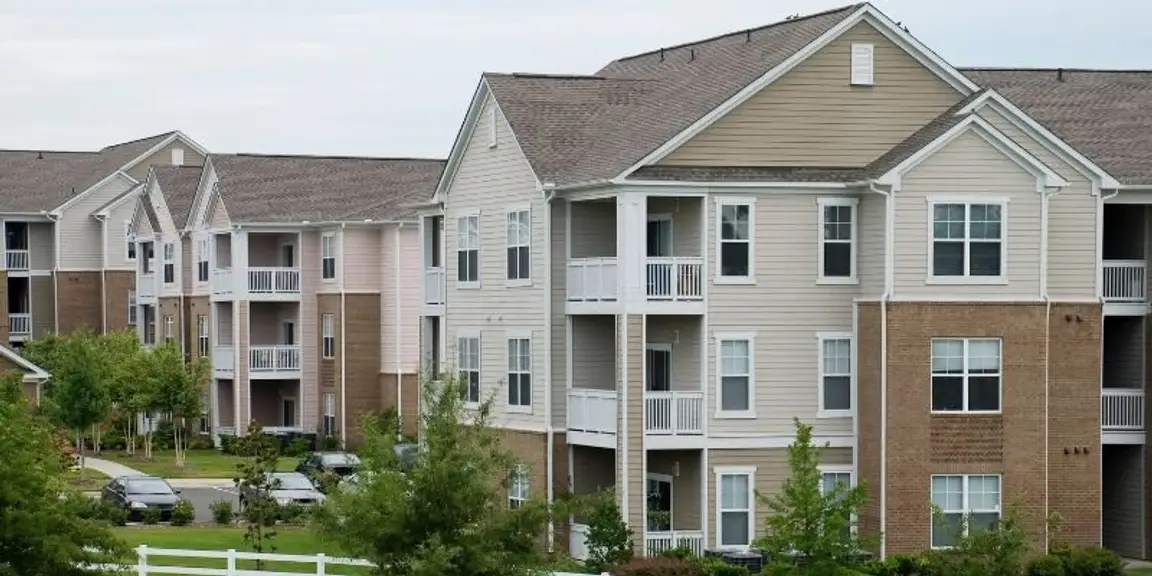
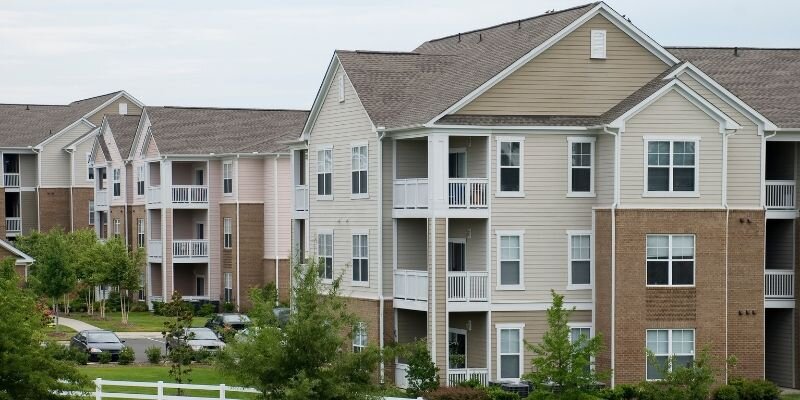
A tenant who stops paying isn’t usually what pushes an owner to sell. More often it’s the third 2 a.m. call about the same boiler, in an apartment complex you bought when rates were half what they are now.
Rental real estate is supposed to buy you freedom, yet for plenty of owners I talk with it’s doing the opposite. Deciding when to sell your apartment complex isn’t really a market-timing question. It’s about what the next five years of your life look like if you hold, and what they look like if you let go.
Should You Sell Your Rental Property or Keep Renting It Out?
Picture an owner whose eight units cash-flowed nicely in 2019. Insurance renewals climb, a roof assessment lands, and by this year those same eight units lose money every month.
That swing is the real test. Forget whether the market is good and ask whether this specific apartment complex still pays you for the trouble.
Rents are moving the right way again, and that complicates the decision. Apartment List put the national median rent at $1,384 in October 2026, up 0.1% from a year earlier. National vacancy eased to 7.0% this year after peaking at 7.3% in February. That’s barely growth, but it’s growth. If your building sits in a submarket where landlords still hand out concessions, your income statement won’t match the headline.
Keep renting if the building funds your life and the maintenance is predictable. Sell if you’re writing checks to keep it alive. The same goes if you’ve quietly stopped answering tenant texts, and honestly, that one matters more than the spreadsheet.
What’s Your Investment Property Really Worth Right Now?
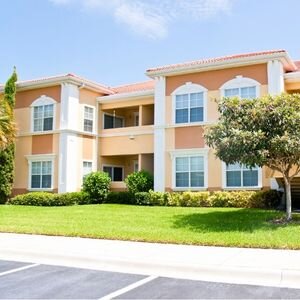
Owners love to price their apartment complex off what a neighbor got in 2021, and that number is fiction now.
A multifamily property’s value runs on net operating income divided by a cap rate, and cap rates have moved. RealPage reports the national average price per unit rose 0.9% from the second quarter to $228,777 in Q3 2026. That’s essentially flat year over year, with cap rates holding at 5.4% for an eighth straight quarter.
Local numbers can look nothing like that. Kidder Mathews data shows Phoenix averaged $194,461 per unit in Q3 2026, down 22.1% from a year earlier, while the average cap rate climbed 70 basis points to 6.7%. Same quarter, different planet. Own a building there? Here’s how to sell commercial property in Arizona.
So what moves your number? Start with twelve months of rent you actually collected and your actual expense ratio. Then add the deferred maintenance a buyer’s inspector will find, and check whether your rents are at market. Pro forma rents don’t buy groceries, and sharp buyers underwrite what you collected, not what you hoped for.
Want a quick gut check before you hire an appraiser? Divide your true NOI by your submarket’s going cap rate. If that figure lands under your loan balance, a conventional sale may not make sense this year. If you’re not sure which rate fits your submarket, check what makes a good cap rate for commercial real estate before you run the math.
When Is the Right Time to Sell Your Apartment Complex?
Say you own a twelve-unit building with a balloon payment due in fourteen months. Your lender has already named the renewal rate, and the new payment would eat your entire cash flow.
Debt maturity pushes a lot of owners to sell an apartment complex before they feel ready. It’s also a good reason, because you keep your leverage when you move early.
CoStar’s forecast from early November 2026 puts national multifamily vacancy near 7.9% for the rest of 2026, easing to 7.5% by the end of 2027. Owners who can hold through 2027 may see better operating numbers, but owners with maturing debt can’t wait that long.
Seasons matter less here than in single-family sales. A buyer shopping for a 24-unit building doesn’t care about school calendars. Capital and your own deadlines set the calendar. When a loan deadline won’t wait for spring, you can sell your apartment complex for cash and set the closing around your own timeline.
What Financial Factors Matter Most to Apartment Complex Sellers?

Your sale price isn’t your payday, and I’d rather tell you that now than at the closing table.
Depreciation is the one that stings. Every year you wrote it off, you lowered your basis, and the IRS wants some of that back when you sell. The part of your gain tied to depreciation is called unrecaptured section 1250 gain, and the IRS taxes it at a maximum 25 percent rate. That’s a ceiling, not a flat rate, so an owner with low enough other income can pay less. Your CPA should run the exact figure.
Prepayment comes next. Agency and CMBS loans often carry yield maintenance or defeasance, and either one can cost plenty when you pay off early.
Broker commissions on commercial sales are negotiable. The percentage may look modest, though the dollar amount on a big building won’t.
Seller financing deserves more credit than it gets. Carrying paper on part of the price can spread part of your tax hit across years, and it widens your buyer pool too. Commercial Property Offer will structure around those realities instead of asking you to eat them.
How Do You Sell an Apartment Complex Step by Step?
For years, plenty of owners listed first and organized paperwork later, and that habit cost them real money.
Pull the package together before anyone tours the property. You’ll want twelve months of operating statements and a current rent roll with lease expirations. Add utility bills, tax bills, insurance declarations, service contracts, and receipts for any capital work. Buyers who get clean documents underwrite faster and retrade less.
Set a number backed by your trailing income, not your best quarter.
From there you’ve got two roads. A broker listing reaches the widest pool of buyers, though marketing can take several weeks to a few months before you sign a contract. Due diligence and closing commonly run 30 to 60 days each after that, and financing contingencies tag along. A direct sale to a cash buyer trades some price for certainty and speed. Some owners skip the open market entirely, and these strategies for off-market sales of apartment complexes show how a quiet sale works.
Due diligence on an apartment complex runs heavier than most sellers expect. Unit walks, lease audits, environmental reports, a survey, and title work pile up fast. Your current tenants notice. Plan how you’ll talk with them, because anxious residents tend to give notice at the worst possible moment.
At closing you’ll prorate rents and transfer security deposits, and buyers and their lenders usually ask for tenant estoppel certificates too.
How Do You Find the Best Deal on Your Next Property Purchase?

If you’re doing a 1031 exchange, both clocks start the day your sale closes. The 45-day identification period and the 180-day exchange period run at the same time. Once 45 days pass, you’ve got no more than 135 days left to finish diligence, line up financing, and close. That window can shrink further, since the deadline is the earlier of day 180 or the due date of your tax return for the year you sold.
The identification rules don’t bend. You have to identify the replacement property in writing, sign it, and deliver it to your qualified intermediary or the replacement seller within 45 calendar days. After that, the list is final.
So shop before you sell. Owners who wait until escrow closes to start looking often overpay for whatever’s available on day 40.
Where’s the value today? Look for buildings with below-market rents and tired owners. Assumable debt at older rates is worth hunting, and so are markets where new supply has stalled.
Prices swing wildly by metro. Kidder Mathews puts Portland at $197,487 per unit in Q3 2026, up 11.9% year over year, with a 6.2% cap rate that’s 40 basis points higher than a year before. If your property sits in that metro, see how to sell commercial property in Oregon.
Have you run the hold math on your replacement property at today’s borrowing cost? Run it before you identify, not after.
How Do You Get Approved to Buy Another Investment Property?
Financing is where good exchange plans die. The 10-year Treasury yield closed at 5.05% on October 28, 2026, so lenders are underwriting conservatively and debt service coverage ratios do the talking.
Get a term sheet before your sale closes.
Lenders on a larger apartment complex will want your global cash flow statement, a current rent roll, and a schedule of real estate owned. Expect them to ask for two or three years of returns and proof of liquidity after closing. Agency lenders also want to see property management experience that fits the size of the asset.
Bridge debt fills the gap when an apartment complex needs work before it qualifies for permanent financing. It’s expensive. Use it with an exit plan, never as a hope.
Seller carryback from your own buyer cuts how much new debt you need, and an assumable loan does the same. I’ve watched exchangers skip assumable options because the paperwork scared them. They pay for that squeamishness with every monthly payment after.
Have a Question About Selling Your Apartment Complex?
“A cash buyer will lowball me.” Sometimes, sure. Still, compare any offer against your net after commissions, repairs a buyer demands in diligence, months more of carrying costs, and the risk that a financed buyer’s loan dies late in escrow.
Speed has a price. So does uncertainty. Weigh both honestly, and get a real number from a direct buyer before you decide what a listing is worth. If you’d like that number, we buy apartment complex properties as-is and can walk you through an offer.
Commercial Property Offer buys multifamily buildings as-is, including ones with deferred maintenance, partial vacancy, or problem tenants in place. You won’t need a repair list or staging, and residents won’t watch strangers parade through their hallways at open houses.
Frequently Asked Questions
What Hurts the Value of an Apartment Complex the Most?
Deferred maintenance on big-ticket systems does the heaviest damage, especially roofs, boilers, and electrical panels, because lenders often won’t finance properties their inspectors flag. Chronic vacancy and below-market rents hurt nearly as much, since value comes from income. A spotty rent collection history will also knock down your price, even when the building itself is in decent shape.
Are Multifamily Buildings Harder to Sell Right Now?
They’re harder to sell at a premium, but they still sell. Financed buyers are picky about condition, and underwriting stays conservative while borrowing costs are high. Well-documented buildings with real income move fine, while buildings with messy books or heavy repair needs tend to sit, and that’s the gap cash buyers fill.
What Is the 3-3-3 Rule in Real Estate?
There’s no official version, but the most common one is a readiness check for buyers instead of a valuation rule. You keep three months of living expenses saved, hold a second reserve covering three months of mortgage payments, and compare at least three properties before you choose. It’s a useful habit if you’re lining up a replacement property after you sell.
Which Month Is Best to Sell in 2026?
Spring and early summer usually bring the most buyers for single-family homes. Commercial multifamily doesn’t follow that pattern much, since institutional and private capital buy year-round. Quarter-end and year-end deadlines matter more than weather. Let your own timing drive the month, meaning loan maturities, tax planning, and exchange windows.
Can I Sell an Apartment Complex with Tenants Still Living There?
Yes, and occupied buildings often sell for more than empty ones because buyers pay for income. You’ll transfer leases and security deposits at closing, and buyers will usually want estoppel certificates confirming each tenant’s terms. You don’t need to evict anyone to close a sale.
If you’re weighing whether to hold another year or let the building go, I’m happy to talk it through. I’ll give you a straight number on your apartment complex even if you decide to keep it. No pressure, no obligation, and no follow-up calls you didn’t ask for.
Helpful Texas Blog Articles
- How to Sell an Apartment Complex That Is Condemned in Texas
- How to Sell Self Storage with a Partnership Dispute in Texas
- How to Sell Self Storage That is Condemned in Texas
- How to Sell Apartment Complex That with Fire Damage in Texas
- How to Sell a Self-Storage Complex with Eviction in Texas
- How to Sell a Warehouse with Lis Pendens in Texas
- Stop Foreclosure in Texas
- Deed in Lieu for Commercial Property
- Texas Commercial Property Sale Documents Checklist
- Commercial Property Appraisal in Texas
- Can You Sell a Commercial Property with a Mortgage in Texas
- Commercial Appraisal Required Repairs in Texas
- When Should I Sell My Apartment Complex